

COOL CLIMATE WINES
But why does a cool climate matter so much?
Great wines taste delicious when they have the perfect balance between acid, alcohol, and sugar (which turns into alcohol through fermentation). This “balance” is different for every grape type, but if any aspect is imbalanced, you’ll quickly taste it…
Wine grapes start the growing season with high levels of tartaric acid, malic acid, and a lesser amount of citric acid in each berry. Tartaric acid tastes slightly salty and limey, and hits the very front of your tongue. Malic acid has a smooth, tart taste often synonymous with the flavor of tart green apples, and hits the front portion of your mid-tongue.
As grapes ripen throughout the growing season, these acids convert into sugars. The warmer the weather, the quicker the acids convert to sugar. Cooler climates, particularly diurnal climates, cause grapes to ripen slower and help to preserve their acidity. Acid, particularly the malic acid, directly influences how balanced and refreshing a wine tastes. A longer growing season also allows the grapes to develop more complex flavors in the wines.
Winemakers wait to harvest the grapes to be made into wine until they hit the appropriate pH and / or sugar level, measured in Brix. Sugars will then ferment into alcohol. Wait too long and the grapes will become too ripe; high in sugar and low in acid. As a result, when it is close to harvest time you will find vineyard managers and winemakers in the fields measuring the pH and Brix constantly.
The cool ocean-influenced climate of the Sta. Rita Hills, combined with the low nutrition of the marine soils, grows amazing wine grapes.
Introducing readers like you to lesser-known wine regions that are making world-class wines is one of the raisons d’être for VOON, and we’re incredibly excited to share our Sta. Rita Hills Pinot Noir and Chardonnay with you.
Read more
THE HISTORY OF WINE Wine is old! The earliest records of grape wine production have been traced back to ~7000 BC in what is modern day Georgia, in Eastern Europe. Archaeologists have also found evi...
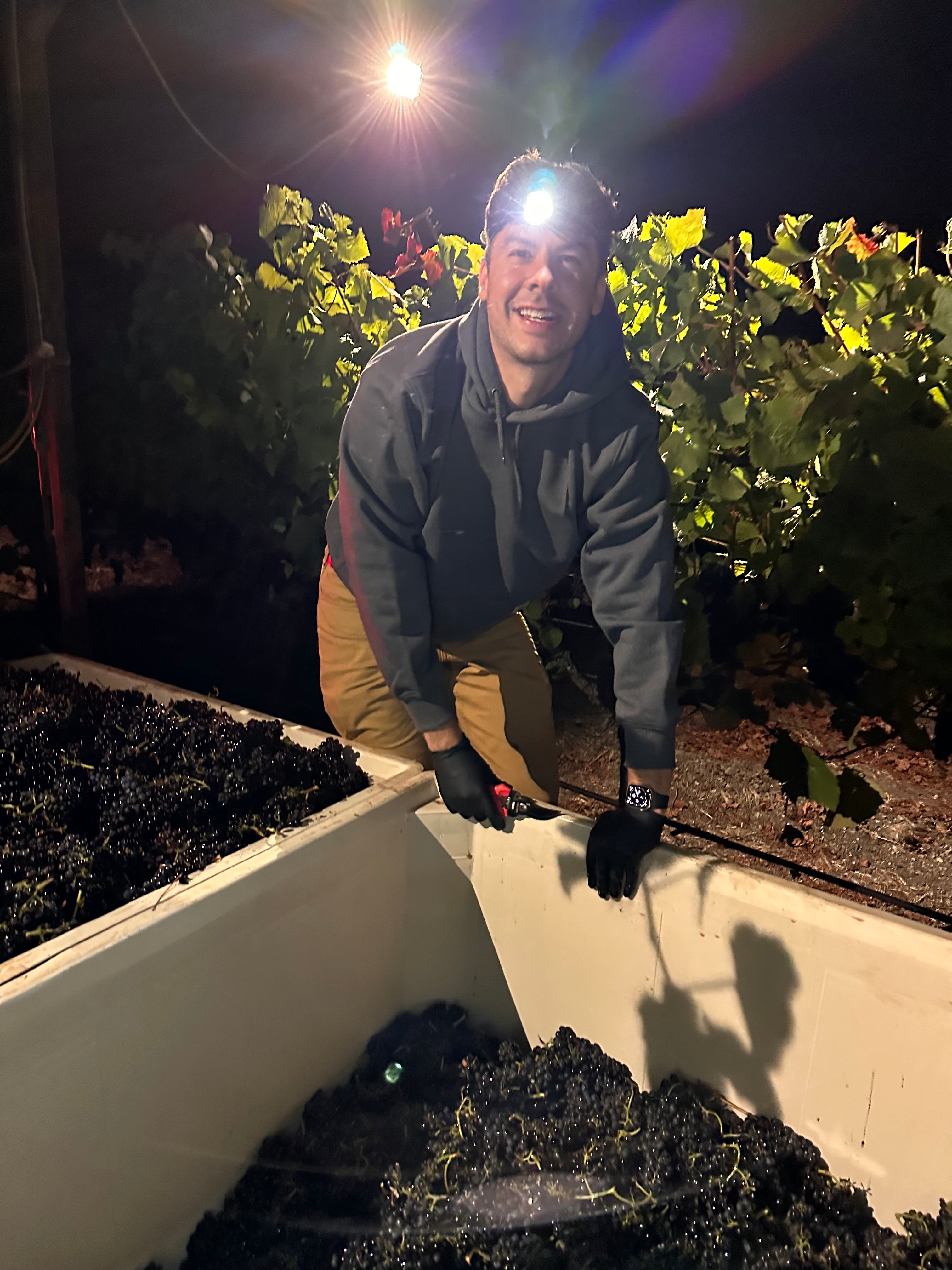
HARVEST 101 It’s a common saying in the industry that creating wine consists of two months of frantic wine making (that’s harvest) and ten months of wine selling. This year (2023) the Sta. Rita Hil...